ES
ES EN
EN

AGENEX analysis identifies Extremadura as a strategic hub for green hydrogen and low-carbon gases
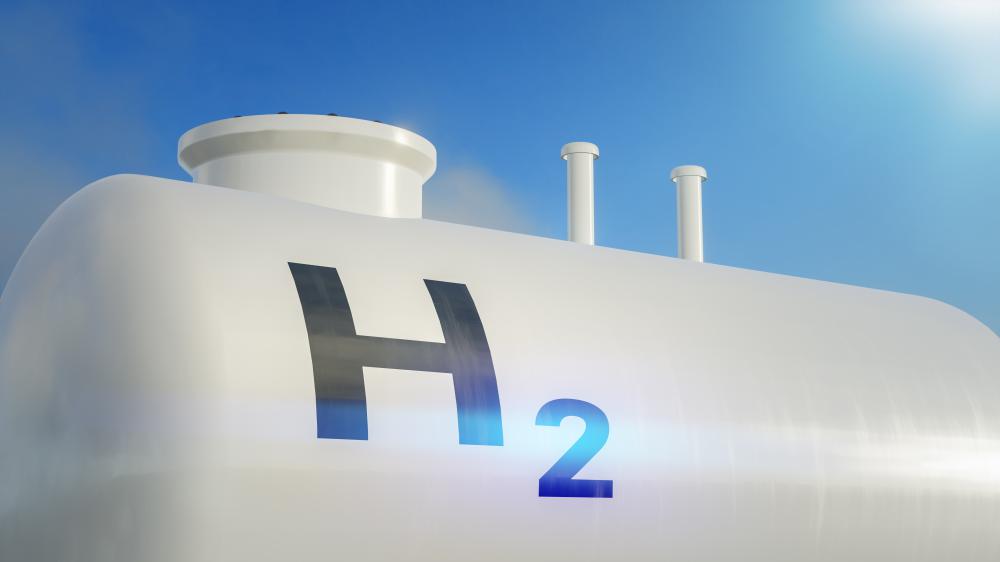
The Extremadura Energy Agency (AGENEX) has published an analysis on the potential of green hydrogen and low-carbon gases in Extremadura, concluding that the region possesses particularly favourable conditions to become a strategic hub for renewable gas production in southwestern Europe.
Developed within the framework of the European project UNIFHY, co-funded by the Interreg Europe Programme, the report examines the regulatory, technological, and market landscape with the aim of providing a technical perspective to support energy-related decision-making towards a low-carbon economy. Public and private organisations operating in Extremadura contributed to the study, enriching the analysis through their expertise and insights.
Among its main findings, the report highlights that Extremadura’s high solar energy generation capacity, availability of land and water resources, and the future infrastructure network associated with the European H2Med corridor provide the region with a unique competitive advantage for green hydrogen production. The analysis also points to recent regional milestones, such as the inclusion of hydrogen within the Extremadura Integrated Energy and Climate Plan (PEIEC) and Decree-Law 1/2023, which declares renewable hydrogen production to be of general interest within the region.
Regarding low-carbon gases such as biogas and biomethane, the report identifies significant development potential linked to the management of organic waste from the agricultural, livestock, and agri-food sectors. This would also support circular economy models in rural areas. Their integration into the regional energy mix could play a key role in decarbonising energy-intensive local industries, including glass manufacturing, cement production, and steelmaking.
Structural Challenges and Territorial Cohesion
However, the analysis emphasises that the effective deployment of these sectors will depend on several key factors, including the establishment of a stable regulatory framework, the development of transport and storage infrastructure, the activation of industrial demand, and the progressive reduction of technology costs. Without these enabling conditions, the identified potential may not translate into tangible development.
The report also notes that green hydrogen and renewable gases represent not only a pathway towards decarbonisation but also an opportunity for economic diversification, investment attraction, and the creation of skilled employment in Extremadura. To achieve this, the study highlights the need to develop specialised training programmes in collaboration with universities and vocational education centres, while also promoting social acceptance, institutional coordination, and support for the regional business ecosystem.
About the UNIFHY Project
UNIFHY – Unifying Policies to Support the Uptake of Green Hydrogen to Decarbonise Europe is a European project co-funded by the European Union through the Interreg Europe Programme and led by AGENEX.
With a total budget of nearly €1.4 million, the project brings together partners from Southern Sweden, Southeast Ireland, the Lubelskie Region (Poland), the Moravian-Silesian Region (Czech Republic), and the Municipality of Aalborg (Denmark).
UNIFHY was launched in response to the need to identify sustainable energy alternatives, such as biogas and green hydrogen, capable of reducing greenhouse gas emissions, strengthening energy security, improving waste management, and creating employment opportunities in rural areas. The project focuses particularly on supporting the deployment of these energy carriers in sectors that are difficult to electrify, such as heavy transport and industry.