ES
ES EN
EN

RuralMED Mobility holds its Final Event in Badajoz and Portalegre, showcasing progress in electric mobility for rural mediterranean areas
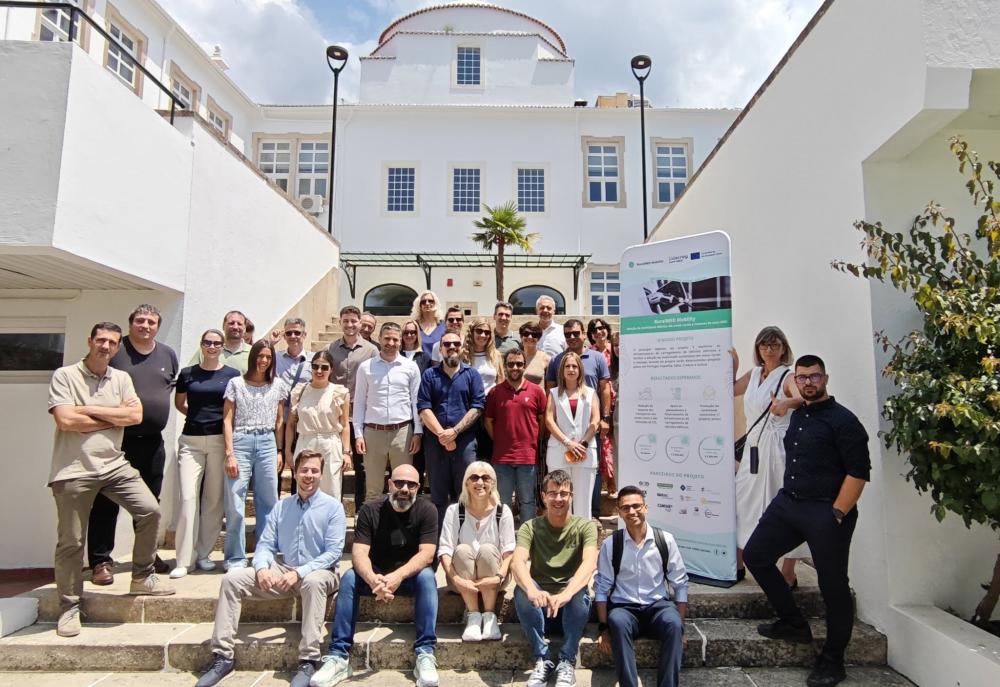
The European project RuralMED Mobility held its final event this Tuesday and Wednesday during a cross-border gathering between Portalegre (Portugal) and Badajoz (Spain), jointly organised by the Extremadura Energy Agency (AGENEX), the Regional Energy and Environment Agency of Northern Alentejo and Tejo (AREANATejo), and the Intermunicipal Community of Alto Alentejo (CIMAA).
AGENEX coordinates this European initiative, co-funded by the Interreg Euro-MED Programme, which brings together 13 partners from Spain, Portugal, Italy, Greece, Croatia, Slovenia, Bulgaria, and Bosnia and Herzegovina. Since 2024, the consortium has been working to promote electric mobility in rural and remote Mediterranean areas through seven pilot actions that include charging infrastructure, shared electric vehicles, and demand-responsive mobility services. All pilots are being monitored to generate data that will support public authorities in designing future sustainable mobility policies.
Very positive preliminary results
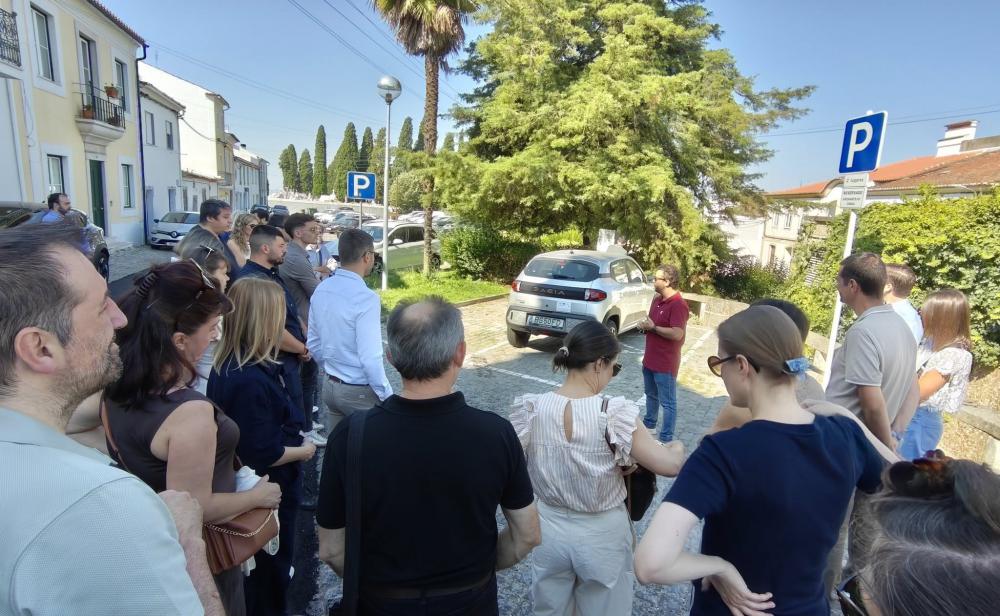
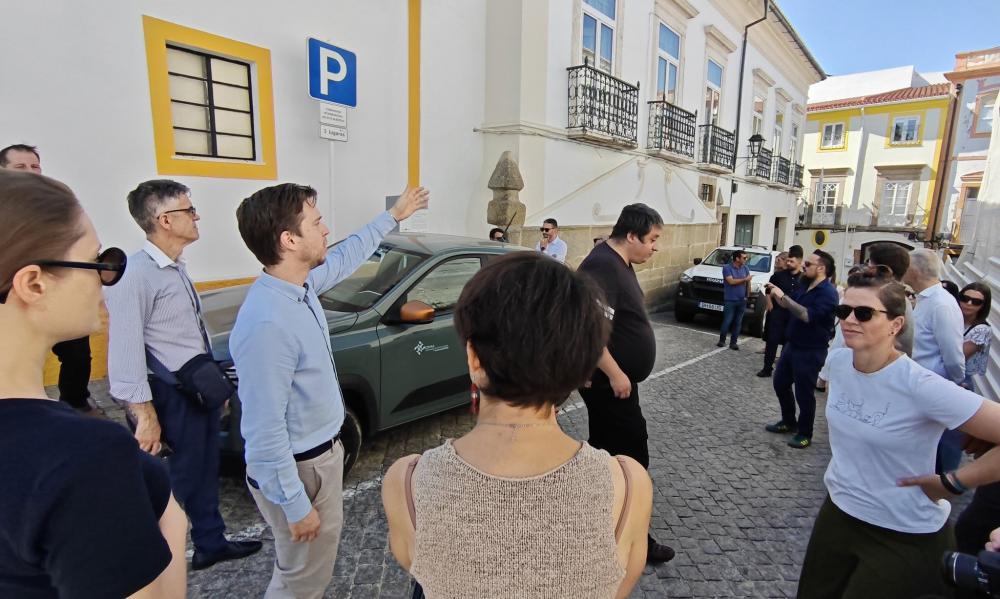
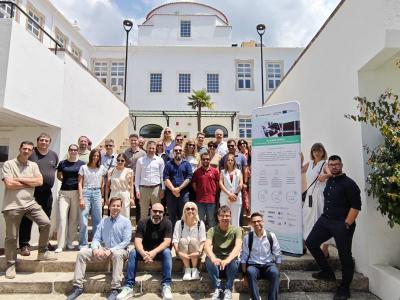
The first day, reserved for project partners, took place in Portalegre, where participants visited the pilot initiative developed by AREANATejo and CIMAA, focused on the shared use of municipal electric vehicles. During the meeting, the first results from the pilot actions implemented across the participating territories were also presented.
The data collected so far indicate a very positive response from both users and public authorities. From car-sharing schemes and electric mobility services to new charging infrastructure, the various pilot experiences are demonstrating that these solutions can be successfully deployed in rural municipalities and low-density areas.
As for the Extremadura pilot, its launch is scheduled for the coming weeks. The initiative includes the deployment of two shared electric vehicles and several charging points in the municipalities of Coria, Cilleros, and Perales del Puerto. In addition, training activities will be organised for municipal technical staff, alongside awareness-raising actions aimed at informing citizens about the operation of the new service and the benefits of electric mobility.
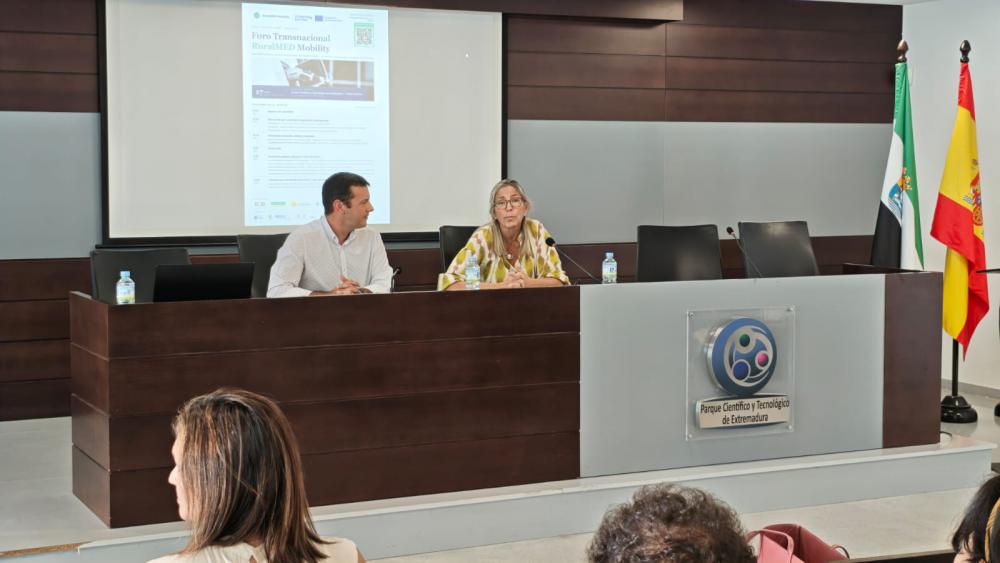
Transnational Forum in Badajoz
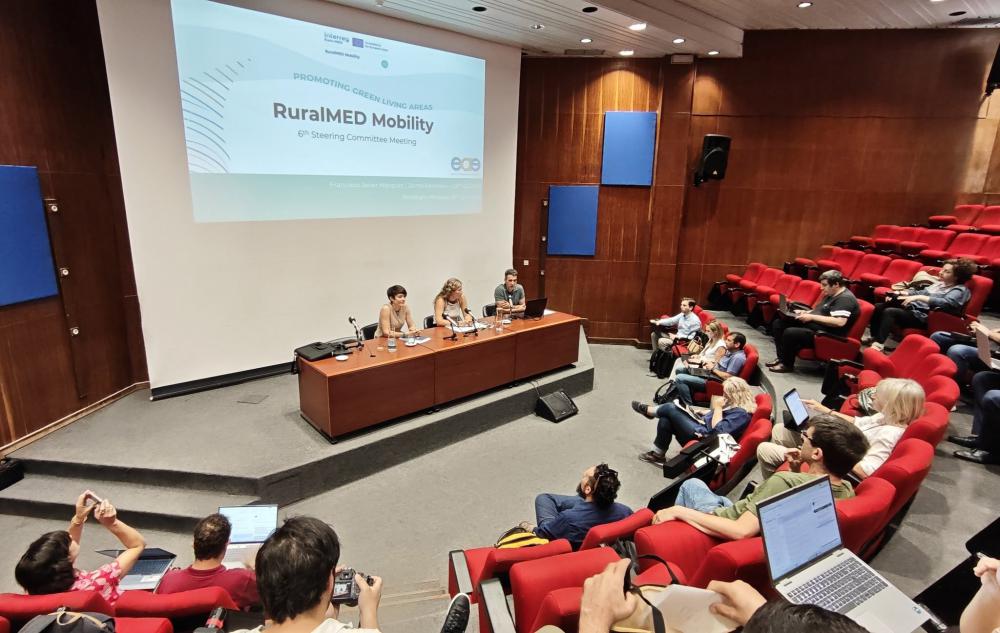
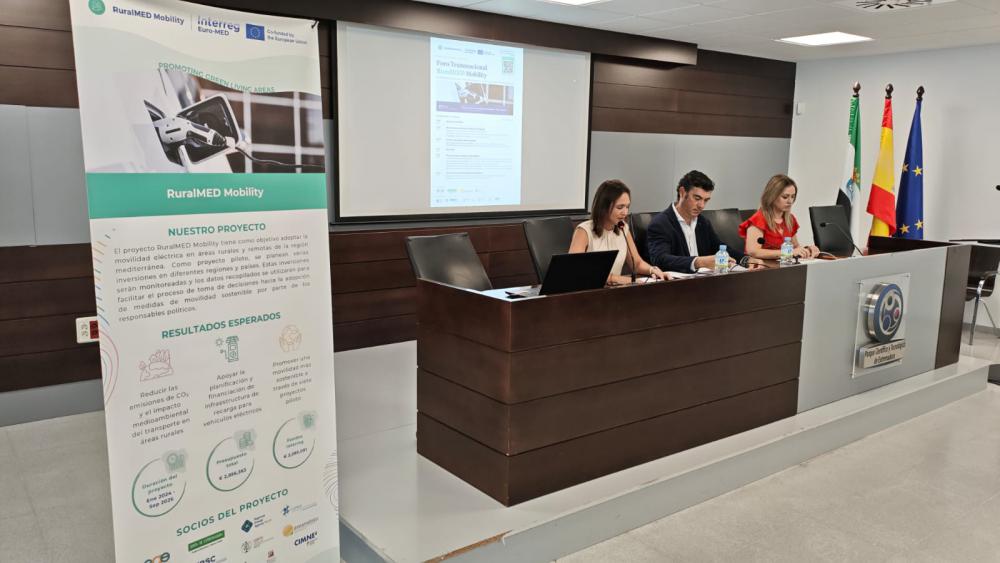
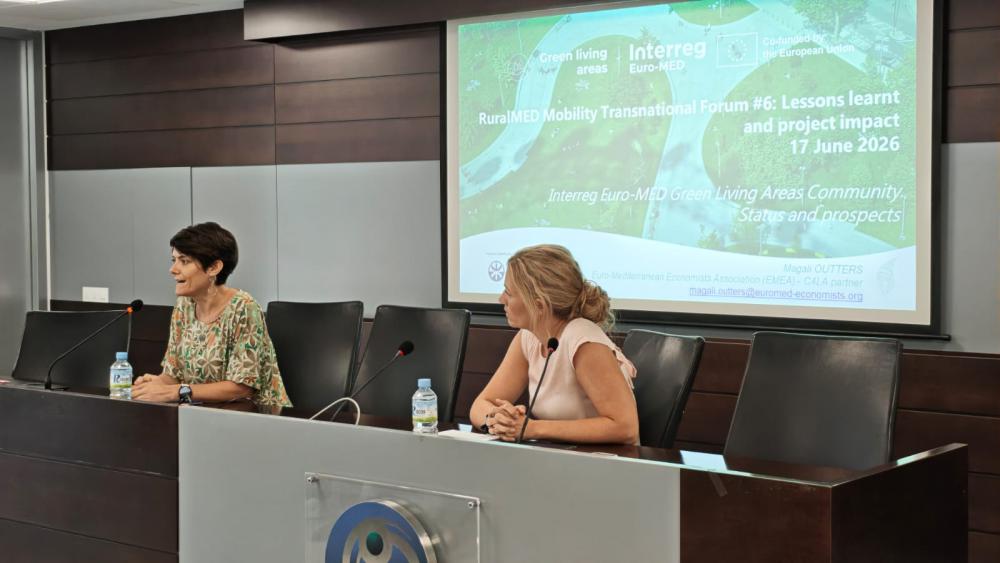
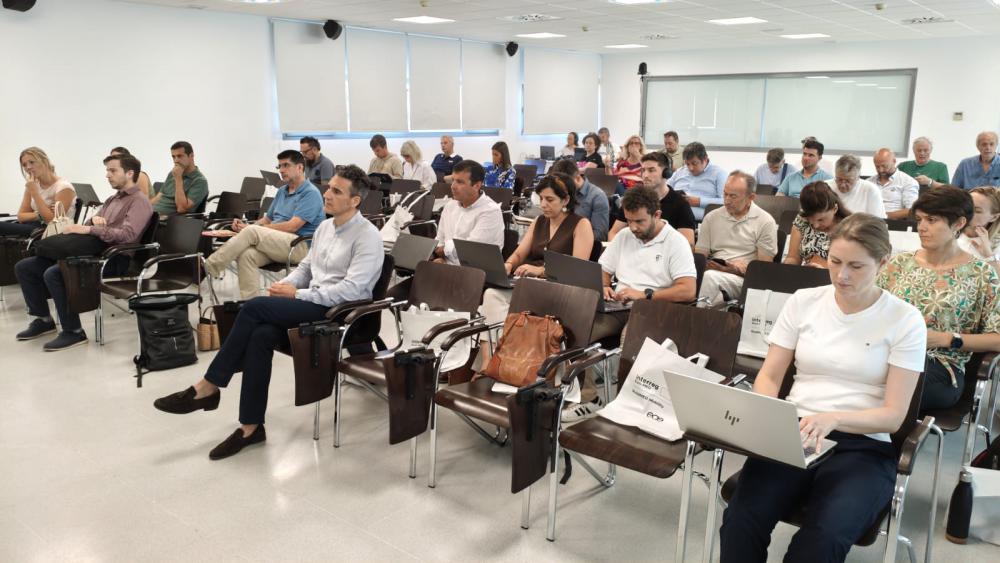
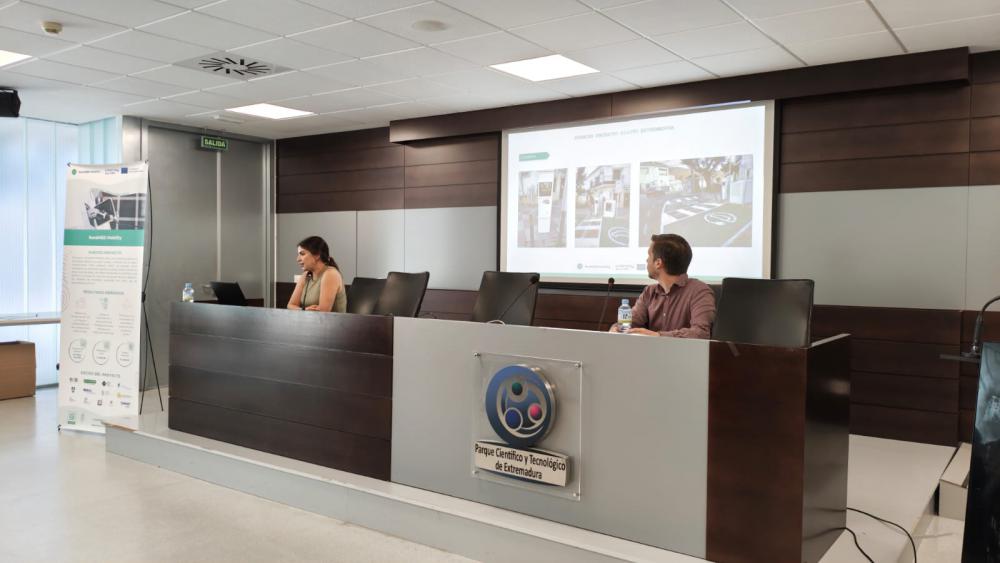
The second day took place in Badajoz with the organisation of the RuralMED Mobility Transnational Forum, which brought together institutional representatives, user associations, and stakeholders from the sustainable mobility sector.
The event was opened by Lidia Calderón, Director of AGENEX; Ana Garrido, representing CIMAA; and Cristóbal Maza, Director-General for Mobility and Transport of the Regional Government of Extremadura. During his intervention, Maza presented some of the main initiatives being developed by the regional administration to advance sustainable mobility, including the Extremadura Sustainable Mobility Plan and the digitalisation of public road transport services.
Throughout the day, participants were introduced to the work carried out by the consortium, the mobility solutions implemented through the pilot actions, and the preliminary results achieved so far.
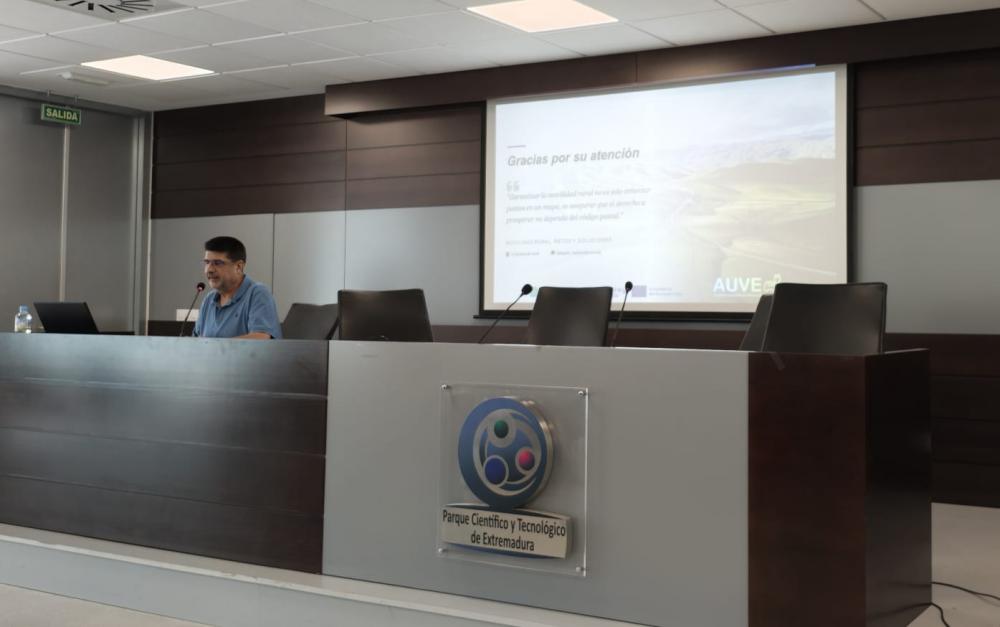
The programme also featured Juan Manuel Moya, Provincial Delegate of the Electric Vehicle Users Association (AUVE), one of the organisations that has closely followed the development of the project. During his presentation, he shared the experiences of electric vehicle users in rural areas and put forward several proposals to further promote this type of mobility in Extremadura.
The closing session was delivered by Diamantino Conceição, Technical Director of AREANATejo, and Raquel Pastor, Director-General for Industry, Energy and Mining of the Regional Government of Extremadura. In her remarks, Pastor highlighted the role of sustainable mobility within the region’s energy transition and outlined the work carried out by her Directorate-General, including the management of the MOVES incentive programme and efforts to simplify administrative procedures in order to accelerate the deployment of charging infrastructure.
The RuralMED Mobility project will remain active until the end of 2026, with the objective of continuing to monitor the pilot actions in operation, collect additional usage data, and maximise the transferability of results to other rural territories across the Mediterranean region.
Photo gallery